
Managing Mice in Single-Family Homes
Site-Specific, Safety Focused Control Strategies
Effective mouse management in residential settings continues to require a site-by-site approach that balances control, safety, and environmental responsibility. Today’s pest management professionals are increasingly expected to prioritize inspection, exclusion, and targeted placement, particularly where children, pets, and wildlife may be present.
Start with Prevention
A thorough inspection should always come first. Identify entry points, sanitation issues, and harborage areas before selecting control methods. Exclusion and habitat modification—sealing gaps, repairing thresholds, and addressing food and moisture sources—remain the most effective long-term solutions and help reduce reliance on rodenticides.
Site-Specific Control Considerations
Garage - Attached garages are a common entry point for mice. Control methods should focus on sealing access points and using snap traps or rodenticides only inside anchored, tamper-resistant bait stations. Loose bait should never be used.
Basement - Control methods depend on how the space is used. Finished or child-accessible basements require traps or enclosed stations, while utility areas may allow for additional options. Traps should be placed perpendicular to walls, with triggers facing rodent travel routes.
Kitchen - Kitchens remain the most active mouse locations due to food and warmth. Rodenticides are generally not recommended in food-handling areas. Snap traps or enclosed multi-catch traps placed behind appliances and under sinks are preferred, with frequent follow-up to address sanitation and odor concerns.
Bathrooms - Mice are often attracted to moisture. Repair leaking pipes or fixtures and place traps inside vanities or other protected areas. Use bait only in severe infestations and only within secured stations.
Living Areas and Bedrooms - These areas rarely require treatment unless infestations are well established. Avoid rodenticides whenever possible and use traps only when absolutely necessary, following strict safety precautions.
Attic - Attics offer more flexibility but still require careful placement. Secured bait stations, snap traps, or monitoring methods may be used. Avoid placing loose bait directly into voids.
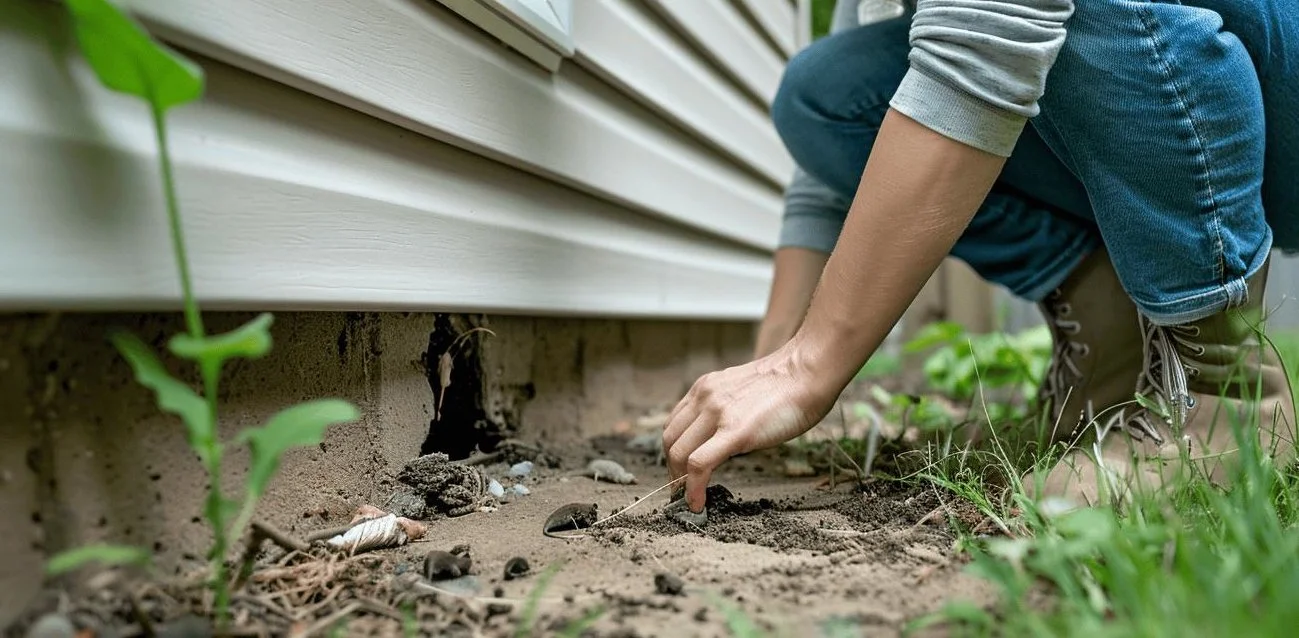
Exterior Management - Modern mouse control emphasizes exterior prevention. Seal entry points before intensifying interior control efforts. Outdoor baiting should be limited to anchored, tamper-resistant stations, with consideration given to non-target wildlife protection.
Regulatory Reminder
• All rodenticides must be used strictly according to the product label, which is a legal requirement under federal and provincial regulations.
• Tamper-resistant bait stations are required wherever non-target exposure is possible, including areas accessible to children, pets, or wildlife.
• Outdoor rodenticide use should be minimized and focused on structural protection, not population suppression.
• Pest management professionals are responsible for proper placement, documentation, and removal of bait and carcasses at service completion.
Staying current with label changes and provincial guidance helps protect applicators, clients, and the environment.
Closing the Account - At service completion, remove all traps and bait, dispose of rodent carcasses promptly, and document findings and recommendations. Clear communication with homeowners reinforces professional standards and supports long-term success.
Effective mouse management today is about precision, prevention, and protection—delivering results while safeguarding people, pets, and the environment.
*This article was originally printed in the Techletter Vol 35, No.18 in September 2019. It has been updated to reflect current regulations and considerations. See www.Techletter.com for archives and information.